Best cheap camera for photography beginners Essential features and tips for capturing stunning images
Best cheap camera for photography beginners sets the stage for this exciting journey, offering readers a glimpse into a world that is rich in detail and brimming with originality from the outset. Whether you're a seasoned photographer or just starting out, this article will guide you through the essential features and tips you need to capture stunning images with your low-cost camera.
From understanding the fundamentals of photography to navigating the camera's settings, identifying the key features of a low-cost camera, and exploring the impact of resolution and megapixels on image quality, we will cover everything you need to know to take your photography skills to the next level.
Identifying the Key Features of a Low-Cost Camera for Beginners: Best Cheap Camera For Photography Beginners
As a photography beginner, investing in the right camera can make all the difference in capturing high-quality images. A low-cost camera that offers excellent features can help you learn and improve your photography skills without breaking the bank. When it comes to choosing a camera, several key features to look for can ensure you get the best value for your money.Camera Sensor Size and Type
The camera sensor is the most critical component in determining image quality. Camera sensors come in different sizes and types, each with its strengths and weaknesses. The two most common types of camera sensors are Full-Frame, APS-C, and Micro Four Thirds. Full-Frame sensors are the largest and offer the best image quality, but they are also the most expensive. APS-C sensors are smaller but still produce high-quality images and are generally more affordable. Micro Four Thirds sensors are the smallest and are typically used in mirrorless cameras. They offer great image quality but have a smaller sensor size, which can be a limitation in low-light conditions.Full-Frame sensors offer the best image quality, but they are the most expensive. APS-C sensors are smaller but produce high-quality images and are more affordable.
- Full-Frame Sensor: 36x24mm (e.g., Canon EOS 5D)
- APS-C Sensor: 23.6x15.7mm (e.g., Nikon D5600)
- Micro Four Thirds Sensor: 17.3x13mm (e.g., Panasonic Lumix GX850)
Lens Quality and Image Stabilization
The quality of the lens can greatly affect image quality. A good lens can produce sharp, well-defined images, while a poor lens can result in blurry or distorted images. Image stabilization is an essential feature that helps to reduce camera shake and blur in low-light conditions. It works by adjusting the camera's sensor or lens to counteract hand movement and ensure sharper images.- Kit Lens: The lens that comes bundled with the camera, often of average quality.
- Prime Lens: A high-quality lens with a fixed focal length, ideal for portraits and close-up shots.
- Zoom Lens: A versatile lens that offers various focal lengths, suitable for landscape, street, and wildlife photography.
Beyond Image Stabilization: Other Features to Consider
Beyond the camera sensor and lens, several other features can enhance your photography experience. Some of these features include:- ISO Range: A wider ISO range allows for greater flexibility in low-light conditions.
- Video Capabilities: Many cameras offer excellent video quality, making them perfect for vloggers and content creators.
- Raw Image Capture: Capturing raw images provides greater flexibility during post-processing and editing.
- Connectivity and Sharing: Features like Wi-Fi and Bluetooth enable seamless image sharing and transfer.
Understanding the Impact of Resolution and Megapixels on Image Quality
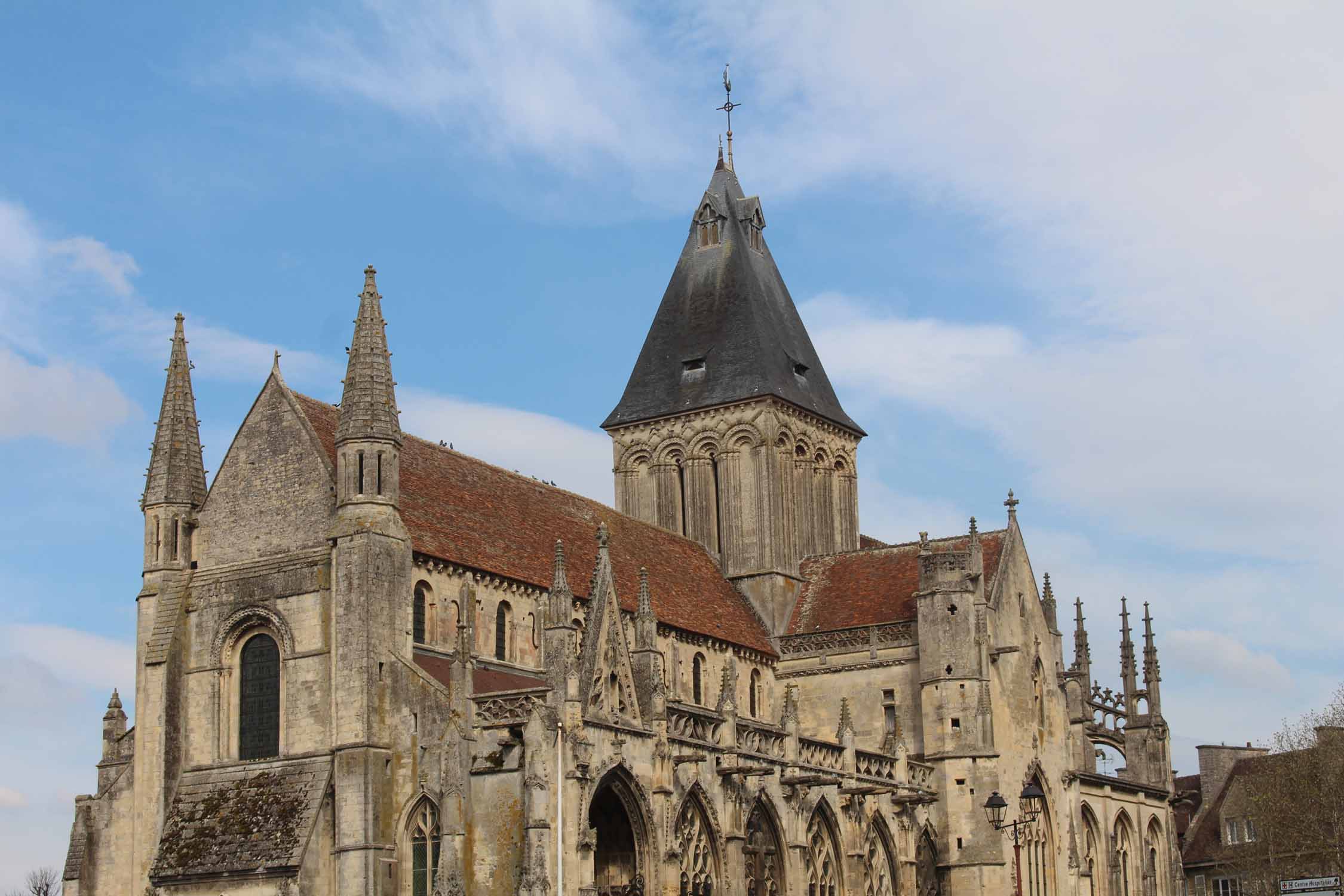
The Relationship Between Resolution and Image Quality, Best cheap camera for photography beginners
The resolution of a camera is measured in pixels per inch (PPI). A higher PPI means that more pixels are packed into a smaller area, resulting in a more detailed and sharper image. For example, a 16MP camera with a 4000 x 3000 pixel resolution will produce a higher-quality image than a 32MP camera with a 4000 x 2000 pixel resolution. This is because the 16MP camera has a higher pixel density, allowing for more accurate representation of colors and textures.The Impact of Megapixels on Image Quality in Low-Light Situations
While higher megapixel counts generally result in higher-quality images, there's a catch. In low-light situations, higher megapixel counts can actually make images appear softer or noisier. This is because the camera is struggling to collect enough light to produce a sharp, high-quality image. In these situations, it's often better to prioritize aperture (F-stop) and ISO settings over megapixel count.Resolution and File Size: The Trade-Off
One of the trade-offs between higher resolution and lower file size is that higher-resolution images require more storage space. This can be a problem for photographers who shoot in RAW format, as these files can be massive. On the other hand, lower-resolution images take up less storage space, but may not be as detailed or clear. Here's an example: | Resolution | File Size | | --- | --- | | 4MP | 2MB | | 8MP | 5MB | | 16MP | 10MB | | 32MP | 20MB | As you can see, the file size increases exponentially with resolution. For photographers who shoot frequently or in RAW format, this can be a major concern.Resolving the Trade-Off: Choosing the Right Resolution for Your Needs
So, how do you choose the right resolution for your needs? It all comes down to your photography style and the type of images you shoot. If you're shooting in bright, well-lit conditions, a higher resolution may be beneficial. However, if you're shooting in low-light situations or need to prioritize file size, a lower resolution may be a better choice.For example, a sports photographer may prefer a lower resolution (e.g., 16MP) to prioritize speed and file size, while a landscape photographer may prefer a higher resolution (e.g., 32MP) to capture detailed images of the scenery.By understanding the impact of resolution and megapixels on image quality, you can make informed decisions about your camera purchase and photography style. Whether you're a seasoned pro or a beginner, knowing the differences between resolution and megapixels will help you capture stunning images with ease.
Types of Cameras Suitable for Photographers on a Budget
As a beginner photographer, choosing the right camera can be overwhelming, especially when working with a limited budget. Fortunately, there are several types of cameras that cater to photographers on a budget, each with its unique strengths and weaknesses.Bridge Cameras: A Budget-Friendly Alternative
Bridge cameras are a type of camera that combines the features of a point-and-shoot camera and a DSLR camera. They offer a versatile set of lenses and modes, making them an excellent choice for beginners who want to experiment with different photography styles. Here are some benefits and limitations of bridge cameras:- Advantages:
- Compact and lightweight design
- Long zoom range (up to 60x)
- Advanced autofocus system
- High-quality image stabilization
- Limitations:
- Smaller sensor size compared to DSLRs
- Limited manual controls
- No interchangeable lenses
- Sony HX99 (~ $350)
- Panasonic FZ80 (~ $300)
- Fujifilm HS35 EXR (~ $250)
- Advantages:
- Compact and lightweight design
- Fast autofocus system
- Improved burst modes
- Interchangeable lenses
- Limitations:
- No optical viewfinder
- Potential for battery drain
- No manual mirror control
- Sony Alpha a6400 (~ $750)
- Fujifilm X-T100 (~ $600)
- Olympus OM-D E-M10 Mark III (~ $500)
- Advantages:
- High-quality image sensors
- Manual controls and customization
- Interchangeable lenses
- Limitations:
- Heavy and bulky design
- More expensive than mirrorless cameras
- Requires mirror flipping
- Canon EOS Rebel T8i (~ $800)
- Nikon D3500 (~ $400)
- Pentax K-70 (~ $600)
- Symmetry: Use leading lines, reflections, or patterns to create symmetry and add depth to your image.
- Rule of Thirds: Divide your frame into thirds both horizontally and vertically, then place interesting elements along those lines.
- Framing: Use elements within the scene, like archways or tree branches, to frame your subject and create a sense of context.
- Leading Lines: Use lines that lead the viewer's eye to the subject, such as roads, shorelines, or paths.
- Natural Light: Shoot during the golden hour (dawn or dusk) for soft, warm light that adds depth and dimension to your images.
- Artificial Light: Use studio lights or flashes to add depth, dimension, and interest to your images.
- Overcast Skies: Shoot on overcast days for soft, diffused light that minimizes harsh shadows.
- White Balance: Adjust your white balance settings to match the lighting conditions, ensuring accurate and natural colors.
- Color Grading: Experiment with different color grading techniques to add atmosphere and mood to your images.
Mirrorless Cameras: A Cost-Effective Option
Mirrorless cameras are a type of camera that uses an electronic viewfinder instead of a traditional optical viewfinder. They offer improved autofocus, faster burst modes, and the ability to change lenses without the mirror flipping up and down. Here are some benefits and limitations of mirrorless cameras:DSLR Cameras: The Classic Choice
DSLR cameras are a type of camera that uses a mirror and prism system to view the scene. They offer manual controls, interchangeable lenses, and high-quality image sensors. However, they can be heavy and bulky. Here are some benefits and limitations of DSLR cameras:Capturing Stunning Scenes with Your Low-Cost Camera
Capturing breathtaking scenes with your low-cost camera is all about exploring your creativity and technique. As a photography enthusiast, you'll need to combine artistic vision with technical skills to produce memorable images. Don't be discouraged by the initial results; practice is key to mastering the art of photography. This section will guide you in capturing dynamic, visually appealing scenes and share valuable tips and techniques for taking full advantage of your camera's capabilities.Mastering Composition Techniques
Composition is a fundamental aspect of photography that refers to the creation of visually appealing arrangements of elements in the frame. Effective composition involves balancing contrasting elements, such as shape, texture, and color, to capture the viewer's attention. Some essential composition techniques to try include:Working with Lighting
Lighting is a crucial aspect of photography that sets the mood and atmosphere of your images. Different types of light can enhance or detract from your subject, so it's essential to understand how to work with various lighting conditions.Enhancing Color Palette
The colors in your image can greatly impact its overall mood and atmosphere. Learn how to take full advantage of your camera's color palette to capture vibrant, high-quality images.Last Word
So, why wait? Whether you're a beginner or an experienced photographer, it's time to get creative and capture stunning images with your best cheap camera for photography beginners. With these essential features and tips, you'll be well on your way to becoming a skilled photographer, and capturing memories that will last a lifetime.
Frequently Asked Questions
What is the best camera for a beginner photographer?
The best camera for a beginner photographer is one that is easy to use, has good image quality, and is affordable. Some popular options include the Canon EOS Rebel T8i, Nikon D5600, and Sony Alpha a6400.
What is the difference between a DSLR and a mirrorless camera?
DSLR (Digital Single-Lens Reflex) cameras use a mirror and prism system to view the scene through the lens, while mirrorless cameras use an electronic viewfinder or LCD screen. Mirrorless cameras are generally more compact and lightweight, but may have limited battery life.
What is the importance of image stabilization in a camera?
Image stabilization helps to reduce camera shake and blur, resulting in sharper images, especially in low-light conditions. It also allows for faster shutter speeds and wider apertures, making it easier to take sharp images in a variety of situations.
What is the difference between 16MP and 32MP cameras?
Higher megapixel counts can result in more detailed images, but may also increase file size and require more storage space. In general, 16MP cameras are sufficient for most applications, while 32MP cameras are better suited for professional use or high-end photography.