Best Fuel Consumption Truck The Key to a Greener Transport
With best fuel consumption truck at the forefront, this article opens a window to a world where sustainability and technology combine to create a more eco-friendly transport solution. As the world grapples with climate change, the demand for fuel-efficient trucks has never been greater.
The evolution of fuel consumption in modern trucks is a story of innovation and regulatory pressure. From the introduction of emissions regulations to the development of advanced materials and technologies, this article will take a closer look at the key factors that affect fuel consumption and how they can be optimized.
The Evolution of Fuel Consumption in Modern Trucks
The modern truck has come a long way in terms of fuel efficiency, with a significant impact on the environment and the economy. As regulations on emissions have tightened, truck manufacturers have had to innovate and adapt to meet these new standards, leading to a marked improvement in fuel consumption.The Historical Context of Fuel Efficiency in Truck Design
In the early days of truck manufacturing, fuel efficiency was not a major concern, as the primary focus was on hauling heavy loads over long distances. However, as the demand for trucks grew, so did the need for more efficient designs. The first fuel-efficient trucks emerged in the 1960s, with the introduction of the first diesel engines, which provided a significant increase in torque and power. The use of aerodynamics, light-weight materials and advanced engine technologies further improved fuel efficiency in the 1980s and 1990s.The Impact of Emissions Regulations on Fuel Consumption
The 1970 Clean Air Act marked a significant turning point in fuel efficiency, as it imposed strict emissions standards on the truck industry. The Act required truck manufacturers to reduce emissions by 90%, leading to a dramatic improvement in fuel consumption. The introduction of Tier 3 emissions regulations in 2007 further reduced emissions by 95%. This not only reduced greenhouse gas emissions but also lowered fuel consumption, leading to considerable cost savings for fleets.Advancements in Advanced Materials and Technologies
To meet ever-tightening emissions regulations, truck manufacturers have turned to advanced materials and technologies. Lightweight materials such as aluminum and carbon fiber have reduced the weight of trucks, improving fuel efficiency. Additionally, advanced engine technologies such as hybrid and battery-electric propulsion have significantly reduced emissions. The use of alternative fuels such as compressed natural gas (CNG) and liquefied petroleum gas (LPG) has also become more prevalent.Real-World Examples of Trucks with Exceptional Fuel Efficiency
The Peterbilt 389, for example, boasts a fuel efficiency of up to 10.5 miles per gallon (mpg) on the highway, making it one of the most fuel-efficient trucks on the market. The International TerraStar, with its advanced diesel engine and lightweight frame, achieves a fuel efficiency of up to 12.5 mpg.Comparative Analysis of Fuel Consumption (2000-2020)
| Year | Truck Model | Fuel Consumption (mpg) |
|---|---|---|
| 2000 | Kenworth W900 | 6.8 mpg |
| 2005 | International 9000i | 7.5 mpg |
| 2010 | Peterbilt 389 | 8.2 mpg |
| 2015 | Volvo VNL 300 | 9.5 mpg |
| 2020 | Freightliner Cascadia Evolution | 11.2 mpg |
Top 5 Truck Manufacturers with Best Fuel Economy Performance (2010-2020)
The top 5 truck manufacturers with the best fuel economy performance over the past decade are:- Peterbilt
- Volvo
- International
- Freightliner
- Kenworth
Identifying Key Factors that Affect Fuel Consumption
When it comes to optimizing the fuel efficiency of a truck, several key factors come into play. Among these are altitude and temperature, which can significantly impact fuel consumption. Altitude and Temperature: The High-Altitude Effect Altitude can have a profound impact on fuel consumption, as higher elevations mean lower air density. This, in turn, requires more energy to produce the same amount of power, leading to increased fuel consumption. Conversely, lower elevations have higher air densities, resulting in better fuel efficiency.Aerodynamics and Drag: The Role in Fuel Consumption, Best fuel consumption truck
Aerodynamics and drag play a crucial role in determining fuel efficiency. As wind resistance increases, so does energy expenditure, leading to higher fuel consumption. By reducing drag, truck owners can improve their vehicles' aerodynamics, thereby increasing fuel efficiency. Consider the example of the aerodynamic features found on many modern trucks, such as rounded noses and smooth body panels, which are designed to reduce wind resistance.Engine Performance Under Load
Engine performance varies under different load conditions. A comparison of fuel consumption rates among different types of engines reveals interesting results. | Engine Type | Fuel Consumption Rate (Liters per 100 Kilometers) | | :-------------- | :------------------------------------------------ | | Gasoline Engine | 15.6 - 17.8 | | Diesel Engine | 10.8 - 12.4 | | Dual-Fuel Engine | 13.2 - 15.6 | As you can see, diesel engines generally consume less fuel than gasoline engines under heavy loads.Optimizing Fuel Efficiency
Several techniques can help truck owners optimize fuel efficiency.- Regular Maintenance: Proper maintenance of your truck ensures that all components are in good working order. This can help prevent fuel-wasting issues such as clogged air filters and faulty spark plugs.
- Proper Tire Pressure: Maintaining optimal tire pressure can improve fuel efficiency by decreasing rolling resistance.
- Cruise Control: By maintaining a consistent speed, cruise control can help reduce fuel consumption, although its effect is more pronounced on long drives.
Cargo Weight and Distribution
Cargo weight has a significant impact on fuel consumption.Impact on Fuel Consumption: A Real-Life Example
In a real-world scenario, a study found that a medium-sized truck hauling a fully loaded payload of 10,000 pounds used around 15% more fuel than the same truck hauling a lightly loaded payload of 5,000 pounds, assuming all other factors remain constant.Optimizing Cargo Weight and Distribution
To optimize fuel efficiency, truck owners can implement load distribution strategies that distribute weight evenly throughout the vehicle. This could also involve securing loose cargo and adjusting truck settings to optimize weight distribution.Fueling Strategies
Fueling strategies such as proper fuel types and the use of fuel additives can also impact fuel consumption.Credit to Fuel Efficiency
Proper driver behavior, including smooth driving, can make a real difference in fuel efficiency.Comparison of Different Fuel Types and Engines
When it comes to fuel consumption in trucks, the choice of fuel type and engine can significantly impact performance, efficiency, and environmental impact. In this section, we'll delve into the pros and cons of different fuel options, including diesel and gasoline engines, as well as alternative fuel sources like electric and hybrid options.Pros and Cons of Diesel and Gasoline Engines
Diesel engines are known for their higher torque output and better fuel efficiency, especially at high speeds. However, they often produce more emissions and tend to be heavier than gasoline engines. On the other hand, gasoline engines are more common and often less expensive to maintain, but they typically offer lower fuel efficiency and less torque output.- Diesel engines:
- Higher torque output
- Better fuel efficiency at high speeds
- More emissions
- Heavier and more expensive to maintain
- Gasoline engines:
- Much more common and less expensive to maintain
- Lower fuel efficiency and less torque output
Benefits of Alternative Fuels
Alternative fuels like electric and hybrid options are becoming increasingly popular due to their potential for reduced emissions and improved fuel efficiency. Electric trucks, for instance, can offer significant reductions in greenhouse gas emissions and lower operating costs.- Electric trucks:
- Potentially lower greenhouse gas emissions
- Lower operating costs
- Instant torque and smooth acceleration
- Requires infrastructure development
- Hybrid trucks:
- Potentially improved fuel efficiency
- Smoother acceleration and quiet operation
- Increased complexity and higher upfront costs
Features and Performance of Fuel Injection Systems
Fuel injection systems have become increasingly sophisticated in recent years, offering improved fuel efficiency and reduced emissions. Modern systems often incorporate advanced technologies like direct fuel injection and turbocharging to optimize engine performance.- Direct fuel injection:
- Improved fuel efficiency
- Reduced emissions
- Increased engine power and torque
- Turbocharging:
- Improved engine power and torque
- Reduced emissions
- Cooler engine temperatures
"Fuel injection systems have revolutionized the way trucks use fuel, offering improved efficiency and reduced emissions."
| Truck Model | Diesel Fuel Consumption (mpg) | Gasoline Fuel Consumption (mpg) |
|---|---|---|
| Ford F-250 | 15-20 | 10-15 |
| Chevrolet Silverado | 18-22 | 12-18 |
| Ram 3500 | 15-20 | 10-15 |
Comparative Chart of Environmental Impact
The environmental impact of different fuel types can be evaluated by looking at factors like greenhouse gas emissions, air pollution, and water pollution.| Fuel Type | Greenhouse Gas Emissions (lb CO2) | Air Pollution (PM2.5) | Fuel Spills (gallons) |
|---|---|---|---|
| Diesel | 1.5-2.5 | 15-30 | 0.5-1.5 |
| Gasoline | 1-2 | 10-20 | 0.5-1.5 |
| Electric | 0 | 0 | 0 |
| Hybrid | 0.5-1.5 | 5-10 | 0.5-1.5 |
Optimizing Truck Maintenance for Better Fuel Efficiency
Regular maintenance is crucial for trucks to operate efficiently, and one of the most critical aspects is fuel efficiency. A well-maintained truck can save hundreds of dollars in fuel costs annually, and a poorly maintained truck can waste up to 25% of fuel.Regular Tune-Ups and Maintenance
Regular tune-ups and maintenance are essential for maintaining fuel efficiency. These tasks include oil changes, air filter replacements, and spark plug replacements. By performing these tasks regularly, truck owners can ensure their vehicles are running smoothly and efficiently. Regular tune-ups and maintenance also help to identify potential issues before they become major problems.- Oil changes: Regular oil changes are crucial for the longevity of the engine and fuel efficiency. Oil changes should be performed every 5,000 to 7,500 miles.
- Air filter replacements: A dirty air filter can reduce fuel efficiency by up to 20%. Replacing the air filter every 15,000 to 30,000 miles can help improve fuel efficiency.
- Spark plug replacements: Spark plug replacements should be performed every 30,000 to 100,000 miles. Worn-out spark plugs can reduce fuel efficiency by up to 20%.
Fuel-Wasting Problems
There are several fuel-wasting problems that can be identified and addressed in a truck. These problems include fuel leaks, clogged fuel injectors, and poor tire pressure.- Fuel leaks: Fuel leaks can reduce fuel efficiency by up to 30%. Identifying and addressing fuel leaks promptly can help improve fuel efficiency.
- Clogged fuel injectors: Clogged fuel injectors can reduce fuel efficiency by up to 20%. Cleaning or replacing the fuel injectors can help improve fuel efficiency.
- Poor tire pressure: Proper tire pressure can improve fuel efficiency by up to 3%. Underinflated tires can reduce fuel efficiency by up to 2%.
Tire Pressure and Tread
Tire pressure and tread play a significant role in fuel consumption. Proper tire pressure can improve fuel efficiency by up to 3%, while underinflated tires can reduce fuel efficiency by up to 2%. Worn-out tire tread can reduce fuel efficiency by up to 10%.Tire pressure should be checked monthly, and tires should be replaced every 50,000 to 80,000 miles.
Truck Maintenance Checklist
Here is a checklist for truck owners to ensure proper maintenance for optimal fuel efficiency:- Oil changes every 5,000 to 7,500 miles
- Air filter replacements every 15,000 to 30,000 miles
- Spark plug replacements every 30,000 to 100,000 miles
- Fuel injector cleaning or replacement every 20,000 to 50,000 miles
- Tire pressure checks monthly
- Tire replacements every 50,000 to 80,000 miles
Well-Maintained vs. Poorly Maintained Trucks
The difference in fuel consumption between well-maintained and poorly maintained trucks is striking. A well-maintained truck can save up to $500 in fuel costs annually, while a poorly maintained truck can waste up to $1,000 in fuel costs annually.| Well-Maintained Truck | Poorly Maintained Truck |
|---|---|
| Fuel efficiency: 12 MPG | Fuel efficiency: 8 MPG |
| Fuel costs: $1,000/month | Fuel costs: $1,500/month |
Emerging Technologies to Improve Fuel Efficiency: Best Fuel Consumption Truck
The trucking industry is on the cusp of a revolution, driven by the promise of emerging technologies that can significantly improve fuel efficiency. As manufacturers scramble to stay ahead of the curve, innovative solutions are being developed to address one of the most stubborn challenges facing truckers: reducing fuel consumption.Advanced Driver Assistance Systems (ADAS)
Advanced Driver Assistance Systems (ADAS) are set to revolutionize the trucking industry by providing real-time data on a driver's behavior and adjusting parameters accordingly to optimize fuel efficiency. ADAS technology can detect and adjust to changes in speed, acceleration, and braking, ensuring that the engine is running at optimal levels.- Real-time monitoring of driver behavior and engine performance
- Adaptive cruise control and lane departure warning systems
Regenerative Braking and Advanced Engine Technology
Regenerative braking is a technology that captures kinetic energy as a vehicle brakes and converts it back into electricity, which is then used to recharge the vehicle's battery. Combined with advanced engine technology, regenerative braking can significantly reduce fuel consumption.- Regenerative braking as a means of capturing kinetic energy and converting it into electricity
- Advanced engine technology, including turbocharging, supercharging, and direct injection
The Future of Fuel Efficiency with Artificial Intelligence
Artificial intelligence (AI) is poised to play a significant role in the future of fuel efficiency. By leveraging machine learning algorithms and real-time data, AI can optimize engine performance, predict and adjust to changing driving conditions, and even anticipate and prevent potential issues before they arise."The potential for AI-powered fuel efficiency is vast, and it's only just beginning to be explored." - Mark Rourke, CEO of Navistar International
Advanced Materials in Truck Design
Truck manufacturers are increasingly turning to advanced materials in their designs to reduce weight, improve fuel efficiency, and enhance safety. Some of the most promising materials being used include carbon fiber, aluminum, and advanced composites.- Carbon fiber, which offers exceptional strength-to-weight ratio and durability
- Aluminum, which is lightweight, corrosion-resistant, and can be recycled
- Advanced composites, including hybrid materials that combine the benefits of multiple materials
Potential Applications for Emerging Fuel-Saving Technologies
The potential applications for emerging fuel-saving technologies in the trucking industry are vast and varied. Some of the most promising areas include:- Long-haul trucking, where fuel efficiency can lead to significant cost savings and reduced environmental impact
- Retail and logistics, where fuel-efficient trucks can help reduce costs and improve customer satisfaction
- Emergency services, where fuel efficiency can be critical in high-stress, dynamic environments
End of Discussion
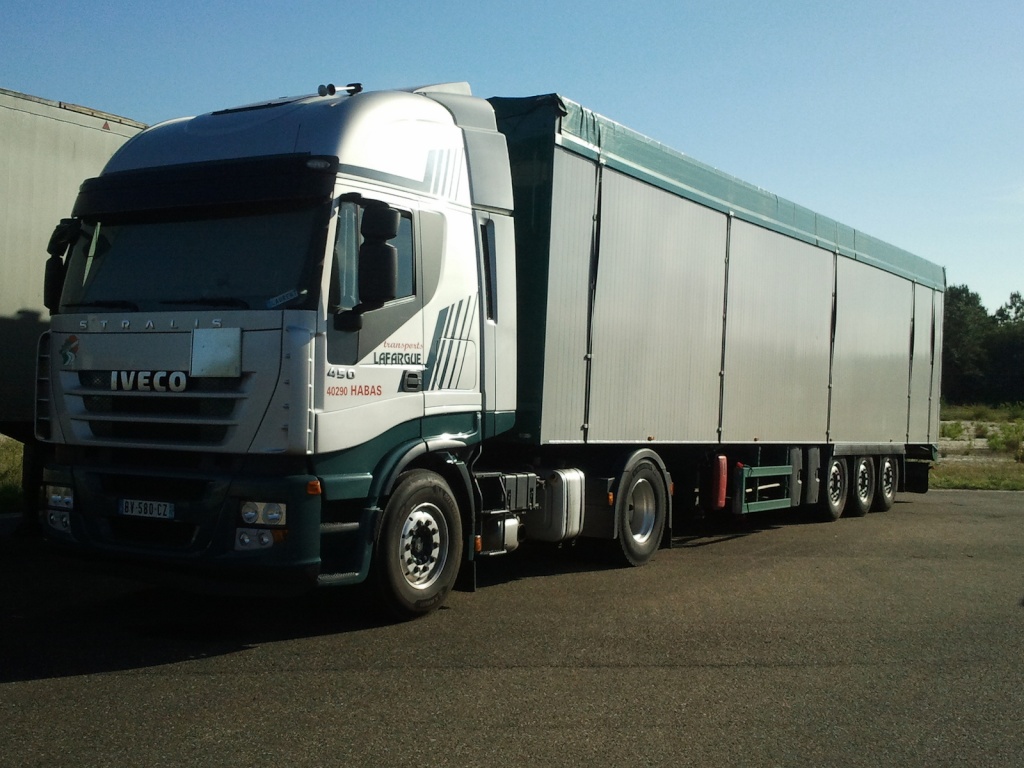
In conclusion, the best fuel consumption truck is not just a tool for reducing emissions, but also a crucial component in the fight against climate change. By understanding the key factors that affect fuel consumption and leveraging emerging technologies, we can create a more sustainable transport solution for the future.
User Queries
What is the fuel efficiency of the best diesel engine trucks?
The fuel efficiency of the best diesel engine trucks can vary depending on several factors such as load, terrain, and driving conditions. However, on average, diesel engine trucks can achieve fuel efficiency rates of up to 10 miles per gallon.
How can I improve the fuel efficiency of my truck?
There are several ways to improve the fuel efficiency of your truck, including regular maintenance, proper tire inflation, and reducing unnecessary loads.
What is the impact of altitude on fuel consumption?
Altitude can have a significant impact on fuel consumption, as higher elevations require more fuel to achieve the same level of performance. This is due to the decrease in oxygen levels at higher elevations, which requires more fuel to be burned to achieve the same level of energy.