Best Vacations for Families Creating lifelong memories with loved ones in the most enchanting destinations around the world
Best Vacations for Families at the forefront, this concept opens a window to an amazing start and intrigue, inviting families to embark on a journey of discovery, adventure, and connection. Family vacations are not just a break from the daily routine but a pivotal moment in shaping children's perspectives and attitudes towards life.
The importance of family vacations in bringing people closer together cannot be overstated. Shared experiences foster stronger family bonds and relationships, creating a sense of unity and togetherness. By choosing the right destination and tailoring the trip to meet the diverse needs of family members, families can create unforgettable experiences that create lasting memories.
Understanding the Essence of Family Vacations
Family vacations play a pivotal role in shaping children's perspectives and attitudes towards life. Studies have shown that these experiences can have long-term effects on their emotional development and socialization. A well-planned family vacation can foster a sense of unity and togetherness among family members, creating memories that last a lifetime.The Importance of Family Vacations in Shaping Children's Perspectives
Research has demonstrated that family vacations can have a profound impact on children's emotional development and socialization. These experiences allow children to broaden their horizons, develop new skills, and form meaningful relationships with their family members. Family vacations provide an opportunity for children to explore new cultures, meet new people, and engage in exciting activities that promote physical and mental well-being.- Exposure to New Experiences
- Development of Social Skills
- Broadening of Horizons
The Role of Shared Experiences in Fostering Stronger Family Bonds
Shared experiences play a crucial role in fostering stronger family bonds. When family members participate in activities and experiences together, they develop a sense of shared understanding, trust, and empathy. This can lead to increased communication, conflict resolution, and a deeper appreciation for one another's perspectives and needs.Examples of Memorable and Impactful Family Vacations, Best vacations for families
Some of the most memorable and impactful family vacations often involve a combination of adventure, relaxation, and cultural exploration. For example, a family vacation to a national park can provide an opportunity for children to develop an appreciation for nature, wildlife conservation, and outdoor recreation. Similarly, a cultural homestay program can allow children to immerse themselves in a new language, customs, and traditions.- Family Road Trips
- Cultural Homestay Programs
- Adventure Expeditions
"Traveling — it leaves you speechless, then turns you into a storyteller." — Ibn BattutaIn conclusion, family vacations play a pivotal role in shaping children's perspectives and attitudes towards life. These experiences can have long-term effects on their emotional development and socialization, fostering stronger family bonds and relationships. By engaging in new experiences, relaxing, and exploring new cultures, children develop a sense of resilience, adaptability, and open-mindedness that serves them well throughout their lives.
Identifying the Best Destinations for Families
When it comes to planning a family vacation, selecting the right destination is crucial to ensure a enjoyable and stress-free experience for all. This involves considering various factors such as climate, culture, and accessibility, to identify locations that cater specifically to families with children of different ages. In this section, we will discuss the importance of considering children's ages and interests when choosing a vacation destination, providing guidance on how to tailor trips to meet the diverse needs of family members.Climate Considerations for Family Vacations
When selecting a destination for a family vacation, climate is a critical factor to consider. Different climates can affect the type of activities and experiences available to families, as well as their overall comfort and safety. For example, warm destinations such as Hawaii, Florida, and the Caribbean are ideal for families with young children, as they offer plenty of opportunities for water-based activities and relaxation. In contrast, cooler climates such as the Swiss Alps, Colorado, and the Scottish Highlands are better suited for families with older children or teenagers who enjoy outdoor activities such as skiing and hiking.- Hawaii: With its tropical climate, Hawaii is an ideal destination for families with young children, offering plenty of opportunities for water-based activities, such as surfing, snorkeling, and swimming with sea turtles.
- Florida: Florida's warm climate and numerous theme parks make it a popular destination for families with children of all ages, from Disney World and Universal Studios to Kennedy Space Center.
- Caribbean Islands: The Caribbean Islands offer a relaxed and laid-back atmosphere, making them an ideal destination for families with young children who enjoy beach activities and water sports.
- Swiss Alps: For families with older children, the Swiss Alps offer a range of outdoor activities such as skiing, hiking, and snowboarding, against a breathtaking backdrop of mountains and glaciers.
- Colorado: Colorado's rugged terrain and abundant wildlife make it an ideal destination for families with older children who enjoy hiking, camping, and outdoor adventures.
Cultural Considerations for Family Vacations
In addition to climate, culture is another critical factor to consider when selecting a destination for a family vacation. Different cultures offer unique experiences and opportunities for families to learn and grow together. For example, destinations such as Japan, China, and India offer a rich cultural heritage, with opportunities to experience traditional cuisine, festivals, and customs. In contrast, destinations such as Europe and Latin America offer a blend of ancient history, art, and architecture, making them ideal for families with children who enjoy history, museums, and city breaks.- Japan: Japan offers a unique cultural experience, with opportunities to try traditional cuisine, visit ancient temples and shrines, and experience the vibrant city of Tokyo.
- China: China's vast history and cultural heritage make it an ideal destination for families with children who enjoy history, museums, and ancient ruins.
- India: India offers a rich cultural experience, with opportunities to try traditional cuisine, visit ancient temples and palaces, and experience the vibrant city of Mumbai.
- Europe: Europe offers a blend of ancient history, art, and architecture, making it an ideal destination for families with children who enjoy history, museums, and city breaks.
- Latin America: Latin America offers a mix of ancient history, vibrant culture, and stunning natural beauty, making it an ideal destination for families with children who enjoy outdoor adventures and cultural experiences.
Accessibility Considerations for Family Vacations
Finally, accessibility is a critical factor to consider when selecting a destination for a family vacation. Families need to consider the ease of transportation, accommodation, and activities, as well as the availability of amenities and services that cater to children with disabilities. For example, destinations such as Orlando, Florida, and Anaheim, California, offer wheelchair-accessible accommodations and attractions, making them ideal for families with children with disabilities.- Orlando, Florida: Orlando offers numerous wheelchair-accessible accommodations and attractions, including Disney World and Universal Studios.
- Anaheim, California: Anaheim offers wheelchair-accessible accommodations and attractions, including Disneyland and Knott's Berry Farm.
- NYC: New York City offers wheelchair-accessible accommodations and attractions, including the Statue of Liberty and Central Park.
- London: London offers wheelchair-accessible accommodations and attractions, including the British Museum and the Tower of London.
- Tokyo: Tokyo offers wheelchair-accessible accommodations and attractions, including the Tokyo Tower and the Meiji Shrine.
Balancing Leisure and Learning on Family Vacations
Family vacations are an ideal opportunity for children to learn and develop new skills in an engaging and interactive environment. Research has shown that incorporating educational activities into family travel can have a significant impact on children's cognitive development, problem-solving skills, and overall academic performance. In this section, we will discuss the importance of balancing relaxation and learning on family vacations and provide examples of interactive museums, science centers, and national parks that can make learning an enjoyable experience for the whole family.The Importance of Learning on Family Vacations
Learning on family vacations is essential for children's cognitive development. Studies have shown that children who engage in educational activities during their vacations tend to have better academic performance and are more likely to develop a lifelong love of learning. Additionally, learning on family vacations can help children develop important skills such as problem-solving, critical thinking, and communication.Examples of Interactive Museums, Science Centers, and National Parks
There are numerous interactive museums, science centers, and national parks that offer hands-on learning experiences for children. Some examples include:The Children's Museum of Indianapolis, which offers interactive exhibits on science, art, and world culture.
- The Science Museum of Minnesota, which features a hands-on science center with interactive exhibits on topics such as physics, chemistry, and biology.
- The National Museum of Natural History in Washington, D.C., which offers a range of interactive exhibits on topics such as dinosaurs, mammals, and human cultures.
- The Grand Canyon National Park, which offers hiking trails, scenic drives, and educational programs on geology, history, and wildlife.
- The San Diego Zoo, which offers educational programs on animal conservation, habitats, and behavior.
Hands-on Activities and Outdoor Learning Experiences
Hands-on activities and outdoor learning experiences are essential for children's cognitive development and problem-solving skills. These experiences allow children to engage with their senses, explore their surroundings, and develop important skills such as observation, experimentation, and critical thinking. Some examples of hands-on activities and outdoor learning experiences include:- Visiting a local farmers market or farm to learn about sustainable farming practices and where food comes from.
- Participating in a beach clean-up or conservation effort to learn about marine ecosystems and the importance of conservation.
- Going on a nature scavenger hunt to learn about local flora and fauna.
- Participating in a cooking class to learn about different cuisines and culinary techniques.
The Value of Hands-on Learning
Hands-on learning experiences are valuable for children's cognitive development and problem-solving skills. Research has shown that children who engage in hands-on learning activities tend to have better academic performance, are more likely to develop a lifelong love of learning, and are better equipped to adapt to new situations. Additionally, hands-on learning experiences allow children to develop important skills such as observation, experimentation, and critical thinking, which are essential for success in the 21st century.Planning and Budgeting for Family Vacations: Best Vacations For Families
Planning a family vacation can be a daunting task, especially when it comes to budgeting. A well-planned budget is essential to ensure a stress-free and enjoyable trip for all family members. In this section, we will provide guidance on creating a realistic budget, researching and comparing prices, and the benefits of booking and planning in advance.Creating a Realistic Budget for Family Vacations
A realistic budget should account for all expenses, including transportation, accommodation, food, and activities.Creating a realistic budget for family vacations involves estimating all expenses, including transportation, accommodation, food, and activities. To ensure accuracy, families should research and gather information on the cost of each item in advance. Here are some tips to help create a realistic budget:
- Estimate transportation costs, including gas, parking, and flights.
- Research and compare prices for accommodations, including hotels, resorts, and vacation rentals.
- Plan meals in advance and estimate food costs, considering local cuisine and dining options.
- Research and compare prices for activities and attractions, including entrance fees, tickets, and tours.
Researching and Comparing Prices for Accommodations, Transportation, and Activities
Researching and comparing prices for accommodations, transportation, and activities is essential to finding the best deals and saving money. Here are some resources and tools available to families:- TripAdvisor: Provides reviews and prices for accommodations, attractions, and activities.
- Google Maps: Allows families to estimate transportation costs and find the most efficient routes.
- Skyscanner: Compares prices for flights, hotels, and car rentals.
- Booking.com: Offers a wide range of accommodations at competitive prices.
The Benefits of Booking and Planning in Advance
Booking and planning in advance offers several benefits, including saving money, avoiding last-minute stress, and ensuring availability. Here are some tips to help families book and plan in advance:- Book accommodations and flights at least 2-3 months in advance to ensure availability and lower prices.
- Research and book activities and attractions in advance to avoid long waiting lines and higher prices.
- Consider purchasing travel insurance to protect against unexpected cancellations or changes.
Managing Expenses Effectively
Managing expenses effectively is essential to staying within budget and enjoying a stress-free family vacation. Here are some tips to help families manage their expenses:- Track expenses using a budgeting app or spreadsheet.
- Set aside a daily allowance for incidentals and unexpected expenses.
- Prioritize expenses and make adjustments as needed.
Staying Healthy and Safe on Family Vacations
Maintaining a healthy and safe environment for family vacations is crucial to creating cherished memories without sacrificing health and well-being. A well-planned and proactive approach to health and safety can prevent unforeseen medical problems, financial losses, and even travel cancellations. This section highlights essential advice on maintaining health and hygiene during family travel, along with the importance of safety planning and emergency preparedness.Maintaining Health and Hygiene
Regular check-ups and vaccinations are essential before traveling to avoid any unforeseen health issues. Consult with a healthcare professional at least 6 to 8 weeks prior to the trip to discuss the required vaccinations, medications, and recommendations for the destination. Additionally, consider the following precautions:- Ensure that all family members have a valid health insurance policy that covers them for international travel. Healthcare facilities and emergency services may not be readily available or may lack the required medical expertise in some destinations.
- Research local health risks and take necessary measures to prevent illnesses, such as taking prescribed medications for malaria or yellow fever. Consult with a doctor to determine the required prescription.
- Bring essential medications and medical equipment, such as contact lenses, solution, or a portable oxygen concentrator. Notify your airline and transportation service providers about your medical needs and requirements in advance.
- Pack a medical kit with basic first-aid supplies, such as pain relievers, antacids, band-aids, and antibiotic ointment. Consult with your doctor to include medications or equipment specifically tailored to your needs.
Safety Planning and Emergency Preparedness
Developing a comprehensive safety plan and emergency protocol can mitigate risks and ensure a swift response in case of an unexpected event. Consider the following strategies:- Research your destination's safety conditions, including areas of high crime rates, potential natural disasters, or local conflicts. Stay informed through official government websites, local news, and reputable sources.
- Stay connected with your emergency contact and family members through regular check-ins and updates. Leave a copy of your itinerary and contact information with a trusted friend or family member.
- Register with your country's travel advisory program to receive important safety and security updates about your destination. Review and follow the provided guidelines and recommendations.
- Learn basic self-defense techniques, such as pepper spray and escape methods, to enhance personal safety. Consider participating in a self-defense course or workshop.
Identifying and Avoiding Health Risks
Dining and drinking practices can significantly impact your health and well-being while traveling. Familiarize yourself with local customs and potential health risks associated with food and water to minimize the risk of illnesses.- Avoid consuming tap water, raw vegetables, and undercooked meats. Pack a water purification system or use bottled water to ensure safe hydration.
- Opt for restaurants and food vendors that adhere to proper food handling and storage practices. Avoid establishments with unclean environments or a high risk of contamination.
- Be cautious of exotic or unfamiliar foods, especially in areas where food safety is not strictly regulated. Prioritize reputable restaurants and trusted vendors.
Closing Notes
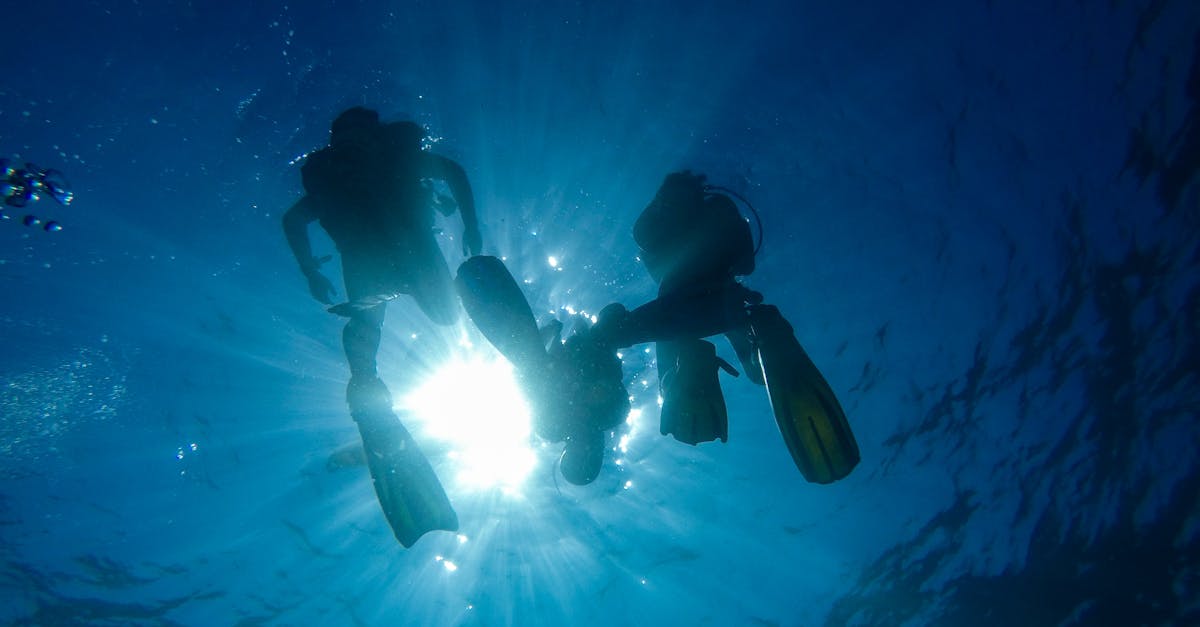
As families return from their vacation, they are often left with a sense of nostalgia and a longing for the experiences they shared. Best Vacations for Families offers guidance on how to create these unforgettable experiences, from planning and budgeting to staying healthy and safe on family vacations. With the right approach, families can turn their vacations into a chance to create lifelong memories and strengthen their relationships.
Quick FAQs
Q: What is the most essential thing to consider when choosing a vacation destination for a family vacation?
A: The most essential thing to consider is the age and interests of the children, as well as the accessibility and safety of the destination.
Q: How can families incorporate educational activities into their vacation plans?
A: Families can incorporate educational activities into their vacation plans by visiting interactive museums, science centers, and national parks, or by taking part in hands-on activities and outdoor learning experiences.
Q: What are some tips for staying healthy and safe on family vacations?
A: Some tips for staying healthy and safe on family vacations include maintaining good hygiene, staying informed about local health risks and taking necessary precautions, and having a plan in place for emergencies.