Save the Best for Last Maximizing Lifes Most Rewarding Moments
Save the Best for Last, the narrative unfolds in a compelling and distinctive manner, drawing readers into a story that promises to be both engaging and uniquely memorable. By embracing the 'Save the Best for Last' mentality, we can savor the essence of life's culinary triumphs, relish the anticipation of long-term goals, and prioritize the most meaningful experiences in our lives.
This approach not only builds anticipation and excitement but also leads to greater overall happiness, as we focus on delayed gratification and prioritize the most significant aspects of life.
Savouring Life's Culinary Triumphs with the 'Save the Best for Last' Mentality
Savouring the finest experiences in life is a philosophy that encourages us to delay gratification, prioritizing the most meaningful moments and allowing them to unfold in their own due time. This approach not only enhances our appreciation for the taste and essence of life but also fosters a deeper connection with our passions and the people around us.The Significance of Delayed Gratification
Delayed gratification is a fundamental principle of the 'Save the Best for Last' mentality. It involves setting aside short-term temptations and focusing on long-term goals, which often yield greater rewards and a deeper sense of satisfaction. When we prioritize delayed gratification, we develop a greater appreciation for the small moments and milestones that make the journey worthwhile. For instance, when training for a marathon, it's often the small victories – like completing a particularly grueling workout or reaching a new personal best – that give us the motivation to keep pushing forward.Anticipation Builds Anticipation and Excitement
Anticipation plays a significant role in delayed gratification. When we have a long-term goal in sight, we tend to feel a sense of excitement and anticipation, which can motivate us to take consistent action towards achieving it. For example, a trip to a bucket-list destination can be particularly exciting if we've been saving up for years and have a set plan in place. This anticipation can even enhance the overall experience, making it feel even more special and memorable.Examples of Delayed Satisfaction Resulting in Greater Overall Happiness
Several studies have demonstrated the benefits of delayed gratification. For instance, a research study found that people who saved up for a big purchase, such as a new car, experienced greater satisfaction and happiness compared to those who bought it outright. Another study revealed that delayed gratification can lead to improved mental health and well-being, particularly in individuals who have experienced trauma or stress.The Psychological Impact of Prioritizing Meaningful Experiences
Prioritizing meaningful experiences can have a profound psychological impact. When we focus on making memories and creating lasting connections, rather than merely accumulating possessions or status symbols, we tend to feel a deeper sense of fulfillment and happiness. Furthermore, research has shown that people who prioritize meaningful experiences tend to develop a greater sense of gratitude, self-awareness, and empathy.Comparing Instant Gratification and Delayed Satisfaction
| Feature | Instant Gratification | Delayed Satisfaction | |----------------|----------------------|----------------------| | Experience | Focused on the immediate moment | Focus on the journey and long-term goals | | Memorability | Often forgettable | Creates lasting memories | | Long-term Impact | Limited impact on personal growth | Can lead to significant personal growth and development | | Emotional Fulfillment| Often short-lived | Can lead to greater emotional fulfillment and satisfaction |The 'Save the Best for Last' Approach in Personal Relationships and Community Bonding
The 'Save the Best for Last' mentality can have a profound impact on our personal relationships and community bonding. When we prioritize investing in meaningful experiences with loved ones, we tend to build stronger, more resilient connections. For example, taking a family vacation or planning a surprise anniversary celebration can create lasting memories and strengthen relationships. Similarly, volunteering or participating in community service can foster a sense of belonging and connection with others.Quotes from Influential Leaders and Thinkers, Save the best for last
"The way to get started is to quit talking and begin doing." – Walt Disney
"Success is not final, failure is not fatal: It is the courage to continue that counts." – Winston Churchill
"The best way out is always through." – Robert Frost
"Patience and time do more than strength or passion." – Jean-Jacques Rousseau
Building Anticipation in Live Performances
Building anticipation in live performances is a delicate art that requires careful planning and execution. It involves creating a sense of expectation and tension in the audience, which can lead to a more engaging and memorable experience. Pacing and timing are crucial elements in building anticipation, as they help to control the flow of information and create a sense of drama.The Role of Pacing and Timing
Pacing and timing are two closely related elements that work together to create anticipation in live performances. Pacing refers to the speed at which events unfold, while timing refers to the precise moment when events occur. By controlling the pace and timing of a performance, artists can create a sense of tension and expectation in the audience. For example, a musician may slow down the tempo of a song to build anticipation before a dramatic solo or a theater performer may pause for a brief moment before delivering a punchline.Dramatic Pauses and Silence
Dramatic pauses and silence are powerful tools for creating anticipation in live performances. A well-timed pause can create a sense of uncertainty and expectation in the audience, while silence can be used to build tension and create a sense of drama. For example, a musician may use a dramatic pause to transition from one section of a song to another, while a theater performer may use silence to create a sense of anticipation before a dramatic revelation.Examples of Effective Anticipation in Live Performances
There are many examples of live performances that effectively utilized anticipation and drama to engage their audiences. One notable example is the opera "La Bohème" by Giacomo Puccini, which features a dramatic final scene where the character Mimì dies in the arms of Rodolfo. Another example is the music video for the song "Thriller" by Michael Jackson, which features a series of dramatic pauses and silence to build tension and create a sense of anticipation.The Role of Audience Participation
Audience participation is a key element in creating a sense of anticipation and shared experience in live performances. By involving the audience in the performance, artists can create a sense of ownership and investment in the outcome, which can lead to a more engaging and memorable experience. For example, a musician may ask the audience to sing along with a song or a theater performer may ask the audience to participate in a dramatic scene.Key Elements of Anticipation in Live Performances
There are several key elements that contribute to building anticipation in live performances. These include:- Pacing and timing: The speed and precision with which events unfold can create a sense of tension and expectation in the audience.
- Dramatic pauses and silence: Well-timed pauses and silence can build tension and create a sense of drama.
- Audience participation: Involving the audience in the performance can create a sense of ownership and investment in the outcome.
- Music and narrative: The combination of music and narrative can create a sense of tension and anticipation in the audience.
Timeline of Anticipation in Live Performances
The build-up of anticipation in a live performance can be broken down into several key events:- Introduction: The introduction to a live performance sets the tone and establishes the mood for the upcoming events.
- Rise in Tension: The rise in tension occurs as the performer creates a sense of anticipation and expectation in the audience.
- Climax: The climax of a live performance is the most intense and dramatic moment, often featuring a final twist or revelation.
- Resolution: The resolution of a live performance provides closure and a sense of completion, often featuring a final curtain call or encore.
- Leitmotifs: A leitmotif is a recurring musical theme or motif that can create a sense of anticipation and expectation in the audience.
- Building tension through music: Music can be used to build tension and create a sense of anticipation, often through the use of crescendos and dramatic pauses.
- Symbolism and foreshadowing: Symbolism and foreshadowing can be used to hint at future events and create a sense of anticipation in the audience.
- Cognitive processing: Human brains are wired to anticipate upcoming events, which can create a sense of expectation and tension in the audience.
- Conditioning: Repeated exposure to a stimulus can create a conditioned response in the audience, such as a sense of anticipation or expectation.
- Urgent and Important (e.g., deadlines, emergencies)
- Important but Not Urgent (e.g., planning, relationships)
- Urgent but Not Important (e.g., interrupting others, multitasking)
- Productivity apps (e.g., Trello, Todoist)
- Planners (e.g., Passion Planner, Erin Condren LifePlanner)
- Motivational frameworks (e.g., Pomodoro Technique, Eat That Frog)
- Breaking down large tasks into smaller, manageable chunks
- Setting realistic deadlines and milestones
- Creating a schedule and sticking to it
- Reviewing and adjusting progress regularly
- Visualizing success and progress
- Celebrating small wins and milestones
- Seeking support from friends, family, or mentors
- Embracing flexibility and adapting to changes
Musical and Narrative Elements of Anticipation
There are several musical and narrative elements that contribute to building anticipation in live performances. These include:Role of Silence in Anticipation
Silence is a powerful tool for creating anticipation in live performances. It can be used to build tension and create a sense of drama, often by pausing a performance at a critical moment. For example, a musician may pause during a solo to create a sense of anticipation before delivering a final riff or a theater performer may use silence to create a sense of expectation before a dramatic revelation.The Science Behind Anticipation
There are several scientific principles that underlie anticipation in live performances. These include:Examples of Successful Anticipation in Live Performances
There are many examples of live performances that have successfully utilized anticipation and drama to engage their audiences. One notable example is the music video for the song "Viva la Vida" by Coldplay, which features a series of dramatic pauses and silence to build tension and create a sense of anticipation.Saving the Best for Last: Strategies for Effective Time Management and Prioritization: Save The Best For Last
Implementing a 'Save the Best for Last' approach in personal and professional time management can bring numerous benefits, including improved focus, enhanced productivity, and a greater sense of accomplishment. This approach emphasizes prioritizing tasks and activities based on their long-term impact and significance, enabling individuals to make the most of their time and energy.The Importance of Prioritizing Tasks
Effective time management strategies rely heavily on prioritizing tasks and activities based on their significance and potential impact. This involves categorizing tasks into three main categories:Identifying Key Tools and Techniques
Staying organized and focused is crucial when working towards long-term goals. Several tools and techniques can help individuals achieve this, includingTime Management Strategies for 'Big-Ticket' Goals
Achieving significant goals requires a structured approach to time management. Effective strategies for prioritizing 'big-ticket' goals includeComparing Time Management Approaches
Different time management approaches have various benefits and drawbacks. A comparison of three key areas - Efficiency, Effectiveness, and Stress Reduction - can help individuals choose the best approach for their needs.| Approach | Efficiency | Effectiveness | Stress Reduction |
|---|---|---|---|
| Action-Oriented | High | Medium | Low |
| Plan-Oriented | Medium | High | Medium |
| Reflective-Oriented | Low | Medium | High |
Maintaining Focus and Momentum
Staying motivated and focused is crucial when working towards long-term goals. Several strategies can help maintain momentum, includingThe key to achieving long-term goals is to focus on what truly matters and prioritize tasks accordingly.
End of Discussion
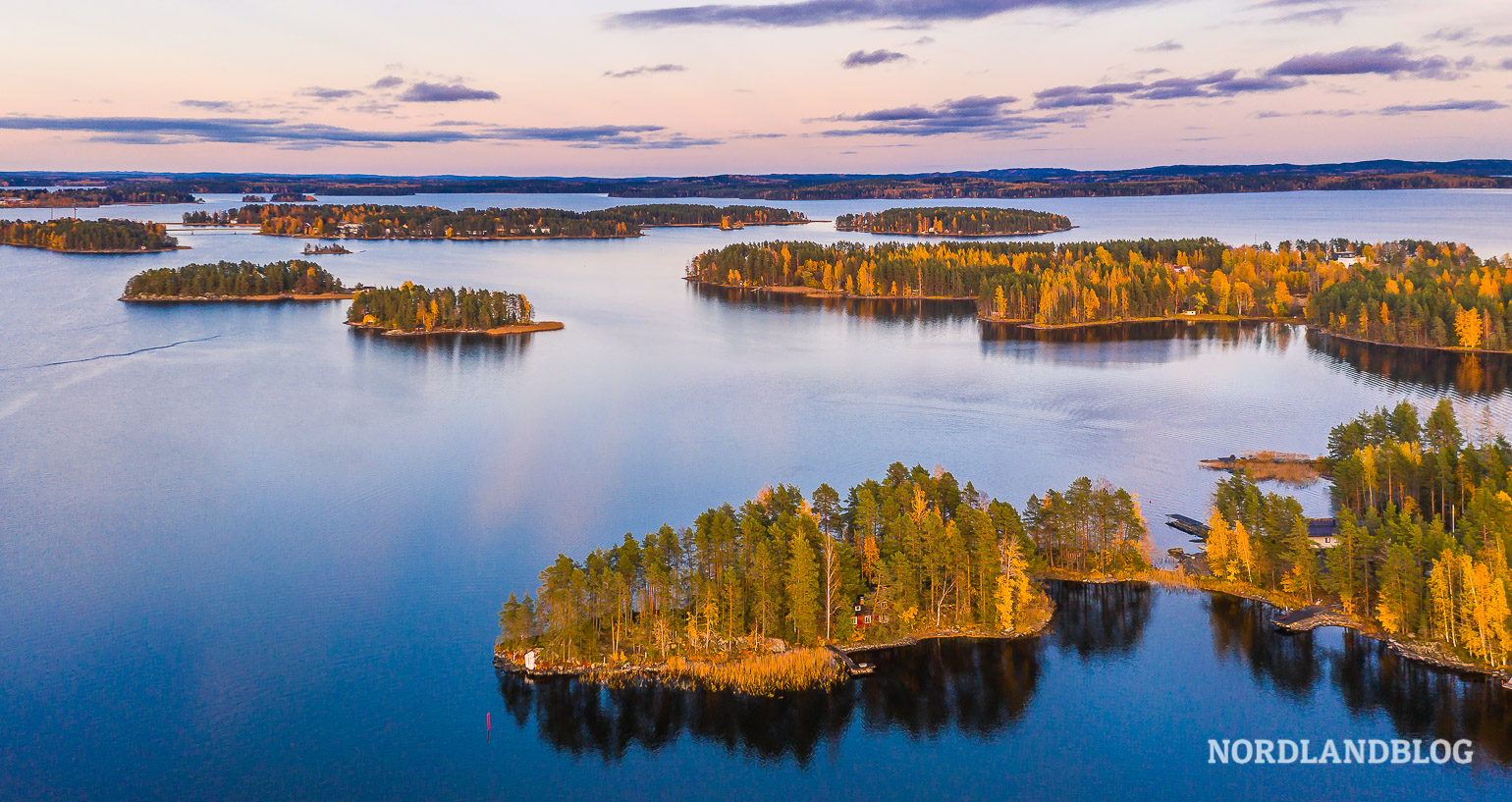
As we conclude our discussion on the 'Save the Best for Last' mentality, we are reminded that patience and delayed gratification are key to unlocking life's most rewarding moments. By prioritizing the most meaningful experiences and cultivating a sense of anticipation, we can create a lasting impact and cherish the essence of life's most unforgettable moments.
Essential FAQs
Q: What is the 'Save the Best for Last' mentality?
The 'Save the Best for Last' mentality is an approach to life that emphasizes delayed gratification, prioritizing the most meaningful experiences, and focusing on long-term goals.
Q: How does delayed gratification contribute to overall happiness?
Delayed gratification contributes to overall happiness by allowing individuals to focus on long-term goals, build anticipation and excitement, and prioritize the most significant aspects of life.
Q: What is the role of anticipation in achieving long-term goals?
Anticipation plays a crucial role in achieving long-term goals by creating a sense of excitement and motivation, which helps individuals stay focused and committed to their objectives.